
Stop Wage Garnishment Fast With an Affordable Bankruptcy Lawyer in Philadelphia
Introduction: Affordable Bankruptcy Lawyer in Philadelphia
When creditors begin taking money directly from a paycheck, financial stress can quickly become overwhelming. Fortunately, bankruptcy law offers powerful legal protections that may stop wage garnishment faster than many people realize. In many cases, filing for bankruptcy immediately triggers an automatic stay, a federal court protection that can stop most collection efforts, including garnishments, foreclosure actions, lawsuits, bank levies, and aggressive creditor harassment. For individuals struggling with debt in Philadelphia, working with an experienced and Affordable Bankruptcy Lawyer in Philadelphia can provide immediate legal guidance, swift intervention, and a structured path toward financial recovery.
Whether someone is facing mounting credit card debt, foreclosure threats, collection lawsuits, or nonstop creditor calls, understanding the available Bankruptcy Options in Pennsylvania is often the first step toward regaining control.
Why Wage Garnishment Creates Financial Emergencies
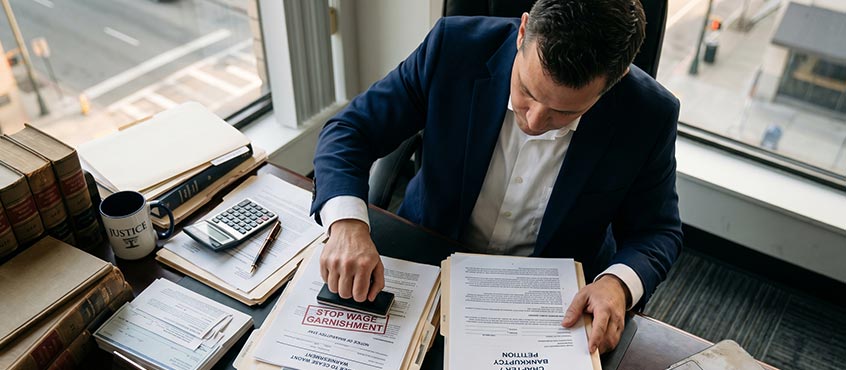
Wage garnishment affects far more than a paycheck. It often creates a chain reaction of financial hardship that impacts nearly every area of daily life.
Once creditors begin deducting money directly from earnings, many people suddenly struggle to:
- Pay rent or mortgage payments
- Buy groceries
- Cover utility bills
- Afford transportation expenses
- Pay medical costs
- Support children and dependents
As a result, many hardworking Philadelphia residents begin searching for immediate legal solutions before their financial situation worsens further.
Additionally, wage garnishment frequently occurs alongside other debt problems, including foreclosure, repossession threats, lawsuits, and collection harassment. Therefore, addressing the underlying debt issue quickly becomes critical.
How Wage Garnishment Works in Pennsylvania
Pennsylvania offers stronger wage garnishment protections than many other states. However, creditors may still garnish wages under certain circumstances.
Common Debts That May Lead to Garnishment
In Pennsylvania, wage garnishment may occur because of:
- Federal tax debt
- Student loans
- Child support obligations
- Alimony obligations
- Certain landlord claims
- Court judgments from other states
Even though Pennsylvania limits many consumer garnishments, creditors often pursue alternative collection strategies that still create serious financial pressure.
Consequently, many consumers seek help from a Wage Garnishment Lawyer in Philadelphia before additional legal actions occur.
How Bankruptcy Stops Wage Garnishment Quickly
One of the most powerful tools available under federal bankruptcy law is the automatic stay.
What Is the Automatic Stay?
The automatic stay is a court-ordered injunction that immediately stops most debt collection activities once a bankruptcy case is filed.
This legal protection may stop:
- Wage garnishments
- Foreclosure proceedings
- Creditor lawsuits
- Collection calls
- Debt collection letters
- Bank account levies
- Vehicle repossessions
Most importantly, the automatic stay can provide immediate breathing room for individuals who feel trapped by overwhelming debt.
How Fast Does the Automatic Stay Take Effect?
In most situations, the automatic stay becomes effective the moment the bankruptcy petition is officially filed with the bankruptcy court.
Therefore, timing matters significantly.
An experienced Affordable Bankruptcy Lawyer in Philadelphia can often act quickly to help prevent additional garnished paychecks if the filing occurs before payroll processing deadlines.
However, every case is different. Some garnishments may already be in process when bankruptcy is filed. Consequently, speaking with a bankruptcy attorney immediately is extremely important.
Understanding Emergency Bankruptcy Filing in Philadelphia
Many people mistakenly believe bankruptcy takes weeks or months to begin protecting them. In reality, Emergency Bankruptcy Filing Philadelphia services may allow attorneys to act much faster.
What Is an Emergency Bankruptcy Filing?
An emergency filing, often called a skeleton filing, allows the bankruptcy process to begin immediately even if all supporting documentation has not yet been submitted.
This strategy is commonly used when individuals face urgent situations such as:
- Active wage garnishment
- Foreclosure sales
- Sheriff sales
- Utility shutoffs
- Bank levies
- Collection lawsuits
Because time-sensitive debt situations can escalate rapidly, emergency filings often provide critical legal protection during financial crises.
Documents Often Needed for Fast Bankruptcy Filing
To accelerate the filing process, individuals should gather important financial documents as quickly as possible.
Commonly Requested Documents Include:
- Recent pay stubs
- Tax returns
- Bank statements
- Creditor notices
- Lawsuit paperwork
- Mortgage statements
- Vehicle loan documents
- Monthly living expenses
- Identification documents
The faster these documents are provided, the faster a Personal Bankruptcy Lawyer in Philadelphia may be able to evaluate and prepare the case.
Chapter 7 Bankruptcy vs Chapter 13 Bankruptcy
Choosing the right bankruptcy chapter is essential because each option serves different financial needs.
Therefore, understanding the primary differences helps consumers make informed decisions.
Chapter 7 Bankruptcy
Chapter 7 bankruptcy focuses primarily on eliminating qualifying unsecured debts.
Debts Commonly Discharged in Chapter 7
- Credit card debt
- Medical bills
- Personal loans
- Collection accounts
- Certain judgments
Benefits of Chapter 7 Bankruptcy
- Stops garnishment quickly
- Eliminates qualifying unsecured debt
- Provides relatively fast debt relief
- May reduce financial stress rapidly
- Allows consumers to pursue a fresh financial start
Many consumers searching for an Affordable Chapter 7 Lawyer Philadelphia are seeking fast debt elimination combined with immediate paycheck protection.
Who May Qualify for Chapter 7?
Eligibility typically depends on:
- Household income
- Monthly expenses
- Debt structure
- The bankruptcy means test
A bankruptcy attorney can evaluate whether Chapter 7 is appropriate based on individual financial circumstances.
Chapter 13 Bankruptcy
Chapter 13 bankruptcy creates a court-approved repayment plan that usually lasts three to five years.
Benefits of Chapter 13 Bankruptcy
- Stops wage garnishment
- May stop foreclosure proceedings
- Allows repayment over time
- Helps protect certain assets
- May help catch up on mortgage arrears
For homeowners trying to save their property, Chapter 13 may provide powerful long-term relief strategies.
Consequently, many people facing foreclosure seek guidance from a Home Foreclosure Defense Attorney who understands both foreclosure law and bankruptcy protections.
How Bankruptcy Can Help Stop Foreclosure
Mortgage delinquency often develops alongside other financial struggles.
Once homeowners fall behind, lenders may begin foreclosure proceedings quickly. Fortunately, bankruptcy may temporarily stop foreclosure actions through the automatic stay.
How Bankruptcy Helps Homeowners
Bankruptcy may:
- Pause foreclosure sales
- Stop the collection activity
- Create repayment opportunities
- Help reorganize debt
- Protect household income
Additionally, Chapter 13 bankruptcy may allow homeowners to catch up on overdue mortgage payments over time.
However, delaying legal action can reduce available options. Therefore, homeowners facing foreclosure should seek legal advice immediately.
Creditor Harassment and Collection Lawsuits
Many debt collectors use aggressive tactics that create emotional stress and anxiety.
Consumers frequently report:
- Constant phone calls
- Threatening letters
- Lawsuit notices
- Harassing collection attempts
- Repeated workplace contact
- Intimidating legal language
While federal and state laws limit abusive debt collection practices, many consumers still feel overwhelmed.
Working with a skilled Debt Harassment Lawyer in Pennsylvania may help consumers understand their rights while exploring bankruptcy protections.
Common Financial Warning Signs You Should Never Ignore
Many people wait too long before speaking with a bankruptcy attorney because they hope the situation will improve naturally.
Unfortunately, delaying action often allows creditors to become more aggressive.
Serious Warning Signs Include:
- Falling behind on mortgage payments
- Receiving wage garnishment notices
- Facing collection lawsuits
- Using credit cards for necessities
- Missing utility payments
- Receiving foreclosure warnings
- Experiencing constant creditor harassment
- Borrowing money to pay existing debt
If these issues continue growing, consulting an Affordable Bankruptcy Lawyer in Philadelphia may provide critical financial protection.
Common Mistakes People Make Before Filing Bankruptcy
Financial panic sometimes leads consumers to make decisions that worsen their legal and financial position.
Mistake #1: Draining Retirement Accounts
Using retirement savings to pay unsecured debt can create long-term financial damage while offering only temporary relief.
Mistake #2: Ignoring Lawsuits
Ignoring legal notices may result in default judgments, frozen bank accounts, or garnishment actions.
Mistake #3: Waiting Until Foreclosure Is Imminent
Early legal intervention typically creates more foreclosure defense options.
Mistake #4: Transferring Property Improperly
Transferring assets before bankruptcy may create significant legal complications.
Mistake #5: Continuing to Accumulate Debt
Taking on new debt shortly before filing bankruptcy may affect discharge eligibility.
Because every financial situation is unique, legal guidance is extremely important before making major financial decisions.
What Happens During a Bankruptcy Consultation?
Many people feel nervous before meeting with a bankruptcy attorney. However, a consultation is typically designed to provide clarity, education, and practical guidance.
During a Bankruptcy Lawyer Free Consultation Philadelphia appointment, the attorney may review:
- Income and expenses
- Debt amounts
- Collection notices
- Wage garnishment details
- Foreclosure concerns
- Lawsuit status
- Asset protection questions
- Bankruptcy eligibility
Most importantly, the consultation helps consumers understand their legal rights and available debt relief strategies.
Why Local Philadelphia Bankruptcy Experience Matters
Bankruptcy laws are federal, but local court procedures and regional legal experience still matter greatly.
A Personal Bankruptcy Lawyer in Philadelphia understands:
- Local bankruptcy court expectations
- Pennsylvania exemption laws
- Philadelphia-area creditor practices
- Foreclosure timelines
- Regional financial challenges
Additionally, local attorneys often understand the emotional and economic realities facing Philadelphia families struggling with debt.
Practical Steps to Take Immediately if Wages Are Being Garnished
If garnishment has already started, acting quickly can be extremely important.
Step 1: Gather Financial Records
Collect:
- Pay stubs
- Debt notices
- Tax returns
- Lawsuit paperwork
- Mortgage documents
Step 2: Stop Ignoring Collection Notices
Ignoring creditors rarely improves the situation.
Step 3: Avoid Using Retirement Savings
Protect long-term financial stability whenever possible.
Step 4: Speak With a Bankruptcy Attorney Quickly
Fast legal action may help stop garnishment before additional payroll deductions occur.
Step 5: Explore Bankruptcy Options in Pennsylvania
Understanding all available debt relief solutions helps consumers make informed decisions.