
Free Consultation (215) 547-3031

Wage Garnishment Protection

Wage Garnishment Protection in Pennsylvania

When creditors begin taking money directly from a paycheck, the financial strain can become overwhelming very quickly. However, Pennsylvania law offers important protections, and in many cases, wage garnishment can be challenged, reduced, or stopped altogether. If your earnings are being withheld, John M. Kenney, an experienced Wage Garnishment Lawyer in Philadelphia, helps individuals across Pennsylvania protect their income and take immediate legal action before further wages are lost.

Whether you live in Philadelphia, Bucks County, Montgomery County, Delaware County, Chester County, Fairless Hills, Levittown, or Bensalem, timely legal intervention can make a significant difference. Therefore, understanding your rights is the first step toward protecting your paycheck and regaining financial stability.

Tell Us How We Can Help – Wage Garnishment Lawyer in Philadelphia

    Signs You Need Immediate Legal Help

    Seek immediate legal assistance if:

    • 01Your paycheck suddenly decreases without warning
    • 02Employer payroll notifies you of garnishment papers
    • 03Creditors threaten wage attachment
    • 04Court notices mention judgment enforcement
    • 05Multiple creditors are pursuing collection

    The earlier action is taken, the greater the chance of stopping garnishment before further wage loss.

    How a Wage Garnishment Lawyer in Philadelphia Can Help

    A skilled Lawyer for Wage Garnishment can evaluate whether the garnishment is lawful, excessive, or contestable. John M. Kenney assists Pennsylvania residents in:

    • Reviewing creditor judgments
    • Filing objections to improper garnishments
    • Seeking court exemptions
    • Stopping illegal creditor collection actions
    • Using bankruptcy protections where appropriate

    If you searched for a Wage Garnishment Lawyer Near Me, prompt legal review is critical before additional wages are withheld.
    Wage Garnishment Protection in Fairless Hills

    Common Reasons Creditors Garnish Wages

    Creditors generally pursue garnishment only after obtaining a judgment or statutory authority. Common triggers include:

    • Consumer Debt Judgments
      Credit card companies, lenders, and collection agencies may sue debtors before pursuing wage collection.
    • Tax Debt
      Federal and state taxing authorities may garnish wages without traditional court judgments.
    • Child Support Enforcement
      Family support obligations can trigger immediate wage attachment.
    • Student Loan Default
      Federal agencies may garnish wages administratively to collect unpaid student loan debt.
    • Landlord Claims
      Pennsylvania permits limited wage garnishment in specific landlord-tenant debt situations.

    Legal Options to Stop Wage Garnishment in PA

    Pennsylvania residents may have several legal remedies available.

    Bankruptcy Protection

    One of the strongest tools available is bankruptcy filing. Filing Chapter 7 or Chapter 13 may trigger an automatic stay that immediately stops most wage garnishments. John M. Kenney’s Pennsylvania practice specifically notes bankruptcy as a key mechanism for stopping wage garnishment. (John M. Kenney)

    Benefits include:

    •  Immediate halt to most creditor garnishments
    •  Protection from collection harassment
    •  Potential discharge of qualifying debts

    Court Objections and Exemptions

    You may challenge garnishment if:

    •  The debt is invalid
    •  The creditor failed the procedure
    •  Exempt income is involved
    •  The garnishment exceeds legal limits

    Negotiating With Creditors

    A Lawyer to Stop Wage Garnishment may negotiate directly with creditors to:

    •  Reduce repayment amounts
    •  Arrange settlements
    •  Replace garnishment with payment plans
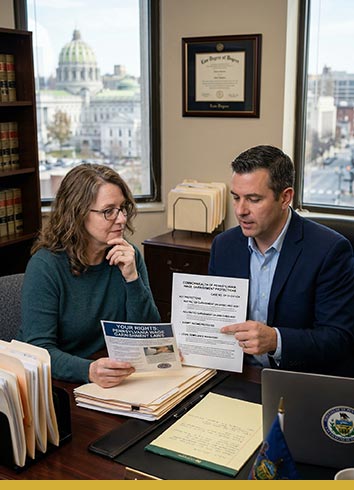
    Bankruptcy Attorney in Fairless Hills

    Pennsylvania Wage Garnishment Laws: Key Protections

    Pennsylvania provides stronger debtor protections than many states. In many ordinary unsecured debt matters, wage garnishment is restricted.

    Important protections include:

    • Many consumer debts cannot be garnished in Pennsylvania
    • Certain exempt income may be fully protected
    • Creditors must comply with the strict legal process

    Because creditors sometimes misuse garnishment procedures, reviewing legality with a Garnish Wages Lawyer is essential.

    Why Choose John M. Kenney

    John M. Kenney has served southeastern Pennsylvania since the 1980s and has extensive experience in bankruptcy and creditor-related disputes. His firm specifically handles garnishment and stopping wage garnishment matters for Pennsylvania residents.

    Clients choose John M. Kenney because he offers:

    • Over 35 years of legal experience
    • Strong bankruptcy and debt defense background
    • Direct attorney guidance
    • Clear, honest legal advice
    • Free initial consultation availability
    Wage Garnishment Protection in Fairless Hills

    Areas Served Across Pennsylvania

    John M. Kenney serves clients throughout Pennsylvania, including:

    • Philadelphia
    • Trenton
    • Bensalem Township
    • Bristol Township
    • Levittown
    • Ewing Township
    • Falls Township
    • Buckingham Township
    • Morrisville
    • Burlington
    • Fairless Hills
    • Doylestown
    • Upper Makefield Township
    • Wrightstown Township
    • Holland
    • New Hope
    • Yardley
    • Tullytown
    • Newtown
    • Andalusia
    • Washington Crossing
    • Trevose
    • Langhorne

    Whether you need a Wage Garnishment Lawyer PA in Philadelphia or the surrounding counties, representation is available across the region.

    Frequently Asked Questions – Wage Garnishment Lawyer in Philadelphia

    • Can a lawyer stop wage garnishment immediately in Pennsylvania?

      Yes. In some cases, filing objections or bankruptcy may stop garnishment quickly, sometimes within days.

    • Does bankruptcy stop wage garnishment right away?

      Often yes. Bankruptcy filing usually triggers an automatic stay that halts most garnishments immediately.

    • How much of wages can be garnished in Pennsylvania?

      This depends on the debt type and the governing law. Some debts are restricted entirely under Pennsylvania protections.

    • Can I challenge a wage garnishment in court?

      Yes. Improper or unlawful garnishments may be challenged through objections.

    • What debts can garnish wages in PA?

      Common exceptions include taxes, child support, student loans, and certain landlord claims.

    • Can creditors garnish wages without notice?

      Generally, legal notice requirements apply, though tax agencies may have separate authority.

    • Is Philadelphia treated differently under the garnishment law?

      State law generally governs garnishment rules, though local courts handle procedural filings.

    • Do I need a lawyer if my wages are already being garnished?

      Yes. Immediate legal review may reduce ongoing deductions and protect future wages.

    Contact John M. Kenney Today

    If your wages are being garnished, every paycheck matters. Therefore, waiting too long can worsen financial hardship and reduce your legal options. John M. Kenney helps Pennsylvania residents protect their income, challenge unlawful garnishments, and stop creditor wage seizures before further damage occurs.

    Call today (215-547-3031) to speak with an experienced Wage Garnishment Lawyer in Philadelphia and take immediate steps to protect your paycheck.


    We Accept the Following Credit Cards

    Credit Card
    John M. Kenney

    John M. Kenney
    308 N Oxford Valley Rd
    Fairless Hills, PA 19030

     Fairless Hills: (215) 547-3031
     Yardley/Newtown: (215) 547-4768
     : jmk@jkenneylaw.com

    Social Presence

    We help people file for bankruptcy relief under the Bankruptcy Code.This website provides general information and is not formal legal advice.

    Please do not include any confidential or sensitive information in a contact form, text message, or voicemail. The contact form sends information by non-encrypted email, which is not secure. Submitting a contact form, sending a text message, making a phone call, or leaving a voicemail does not create an attorney-client relationship.

    © Copyright 2026 John M. Kenney, All Right Reserved